The declassified 1978 NASA file behind “early Alzheimer’s reversal in under 28 days” — why Hollywood’s oldest directors know every line, and why 771,939 Canadians are forgetting theirs
“early decline — let’s watch.” — a doctor’s line from the viral daughter interview, and the two-minute morning ritual (one rare island honey, two everyday ingredients, every morning before breakfast) that brought his names, sentences and whole conversations back — reportedly in under 28 days.

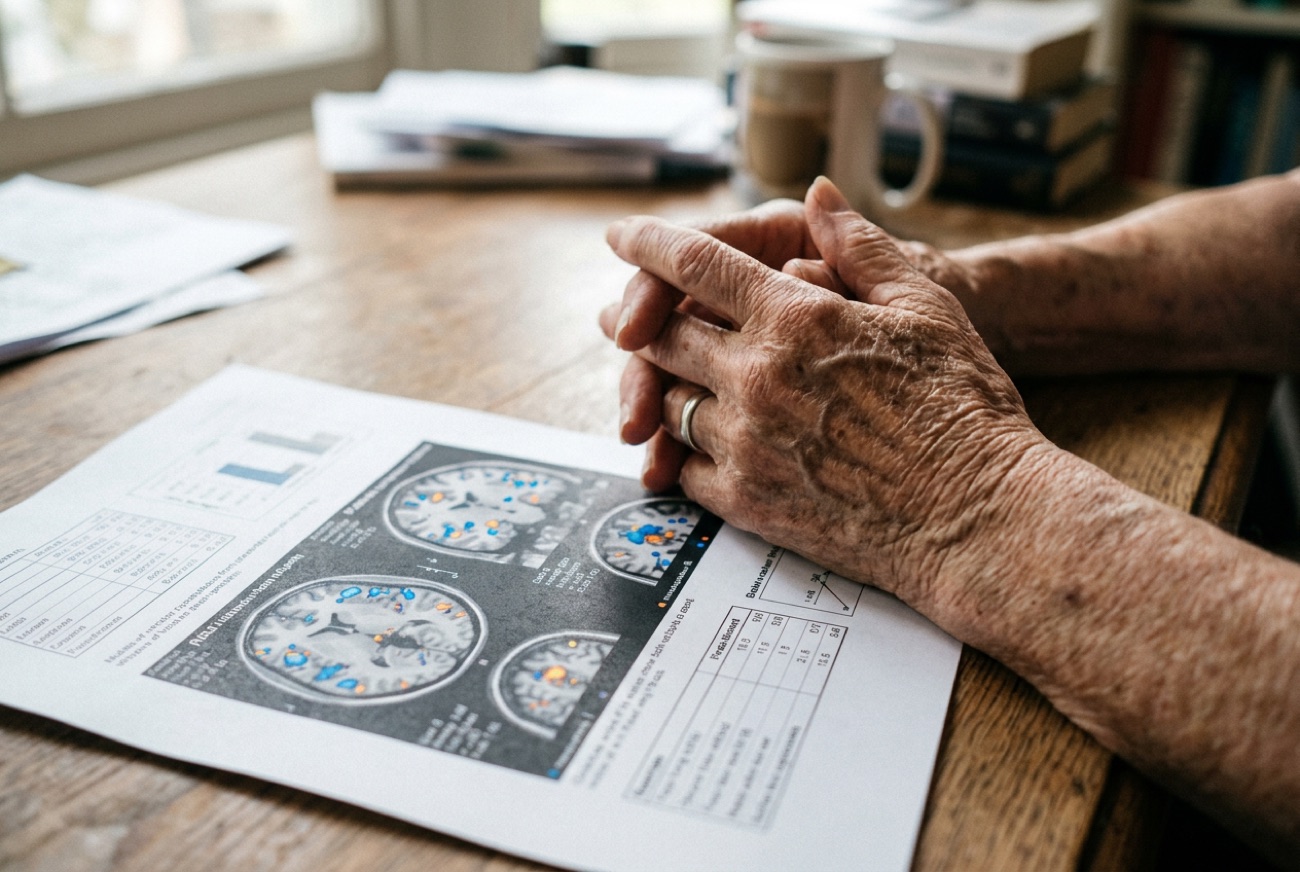
This week, a recorded interview is going viral across North America: the names of Clint Eastwood, Morgan Freeman and Samuel L. Jackson are being linked — reportedly — to the same simple two-minute morning ritual, used to completely reverse early Alzheimer’s in under 28 days.
And the full explanation — every step, every scan — sits inside a file NASA kept sealed since 1978 — only opened this week. And the answer to what has been quietly destroying an entire generation’s memories is something almost every Canadian home already has.
At last week’s family dinner, his son tells the story of the trip up north — and his father hears the words without them connecting. He laughs where everyone else laughs. Not because he understood. Because he could hear in their tone that it was time to laugh. And nobody at the table saw it.
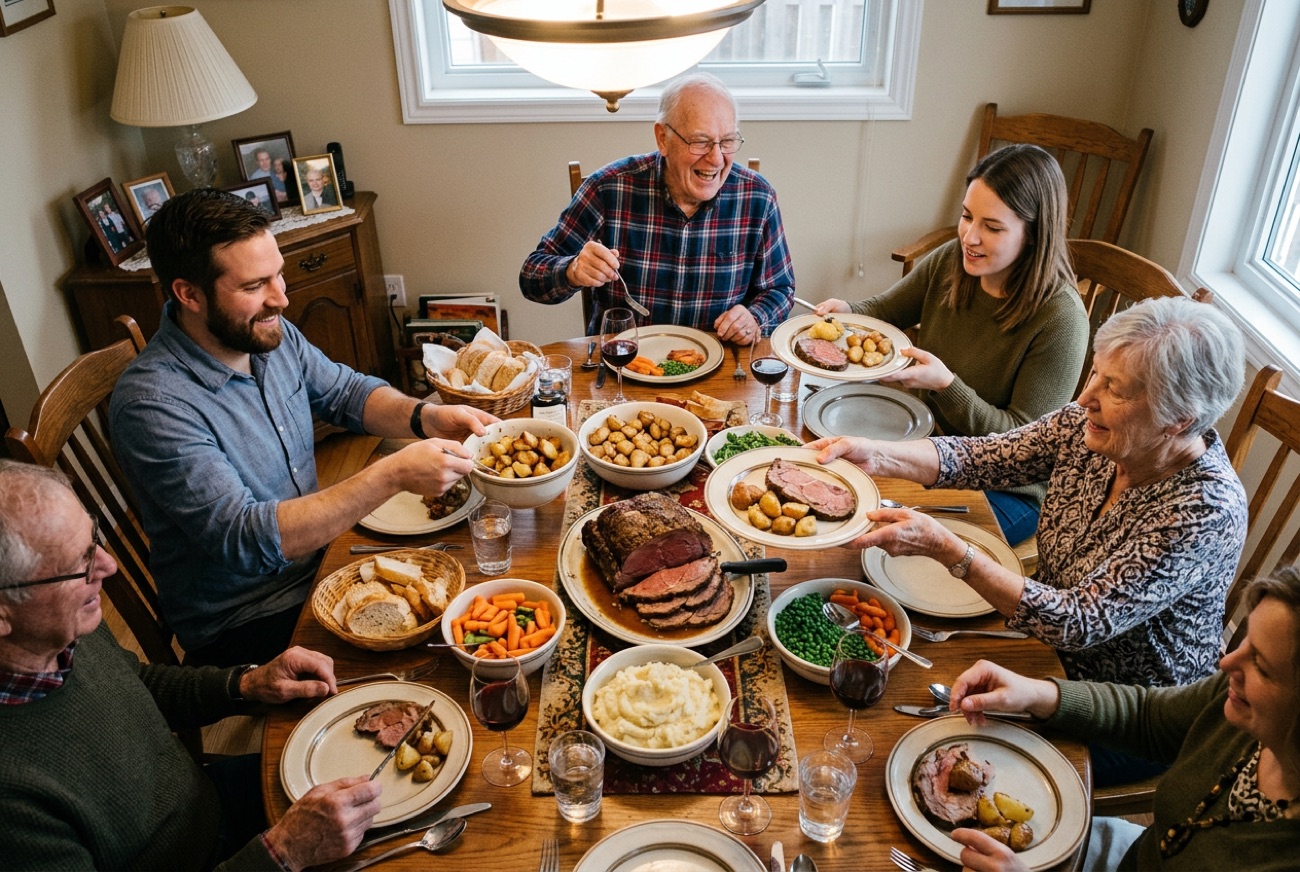
That is exactly how the early stage starts: without warning, without alarm — another evening where nobody said anything, and nobody noticed.
For decades, every doctor, every family, every book told us the same sentence: “memory loss is part of aging.” So we waited. And watched our own families — parents, brothers, sisters — lose a name here, a year there, a conversation that never got finished.
But numbers already being debated in labs and hospitals from Montreal to Vancouver turn that sentence upside down. Between 1970 and 1990 — less than twenty years — cases of Alzheimer’s and dementia surged 600 percent.
Not because our genes changed — genes don’t evolve in one generation. Not because of age — aging does not accelerate six hundred percent in twenty years; nobody does that biologically. And the twin study settled the last doubt: identical DNA, decades side by side — one developed Alzheimer’s. The other never did. When that happens, genetics leaves the equation.
The true enemy isn’t inside your father’s body.
It’s in the world he lives in every day — in ordinary plastic.
Here is what researchers found when they finally looked: a parasite of neural tissue. A name they gave to something invisible to the naked eye — small enough to cross every barrier in the body and lodge itself directly around the neurons of the brain.
Microplastic.
In a study published in Nature Medicine — real brains, state-of-the-art microscope — bright dots of plastic around the neurons. In the brains of people with confirmed dementia: up to ten times more measured plastic than in everyone else. Physical. Measurable. Irrefutable.
And it’s already inside your home. In 100% of packaged foods — every container that went through the microwave. In the tap water — pipes shed plastic with every liter that passes through. In the soil — the organic produce bought believing it was care. In the air — every breath inside the car, inside the office.
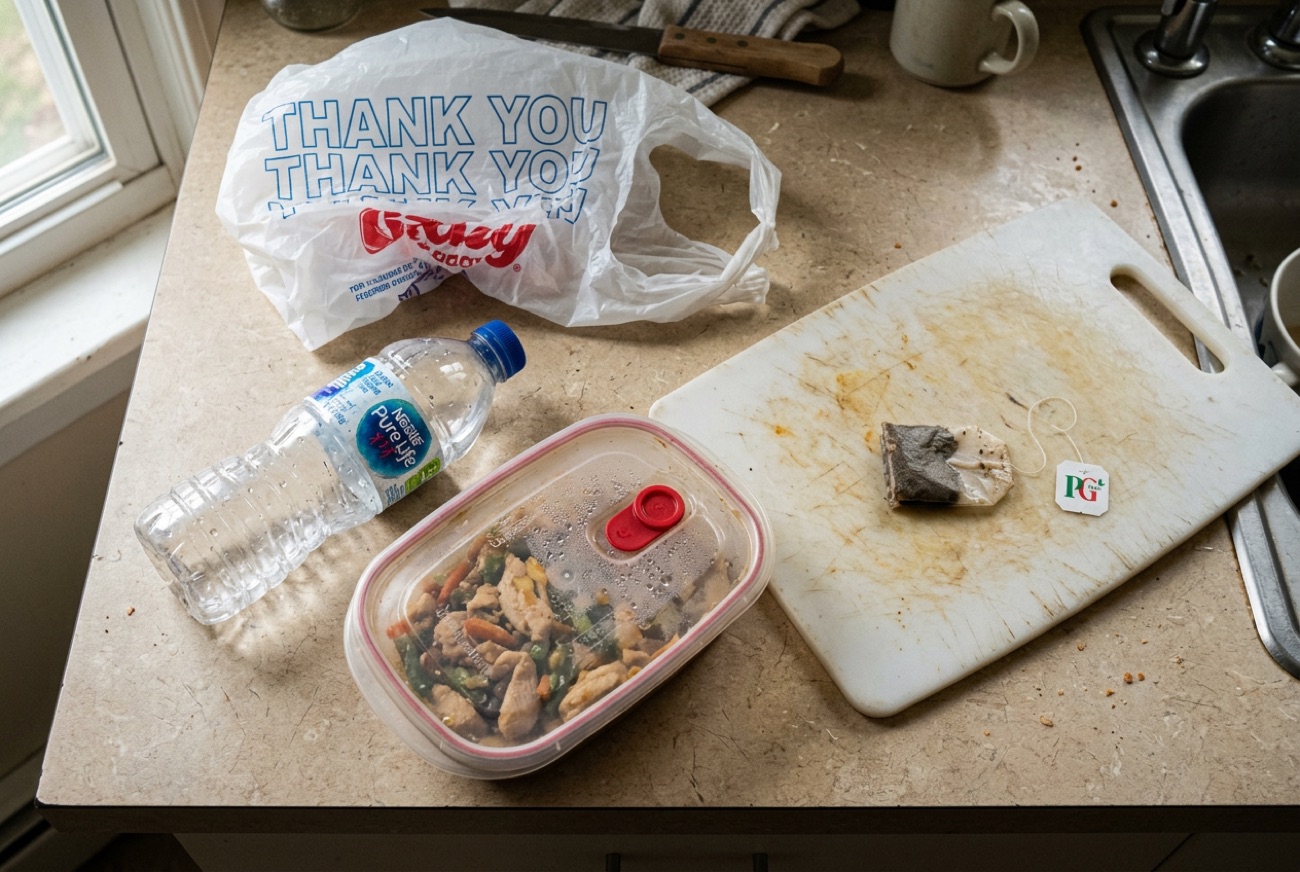
His morning teabag. His lunch container, microwaved twice. Two micrograms of microplastic per cup of tea — and he drinks two.
Scientists took the blood of completely healthy adults — no disease history, no symptoms — 77% carried detectable plastic in their blood. Healthy people who thought they were fine. The same blood circulating through your body right now. And even babies — newborns — already carry it in their umbilical-cord blood, before the first breath.
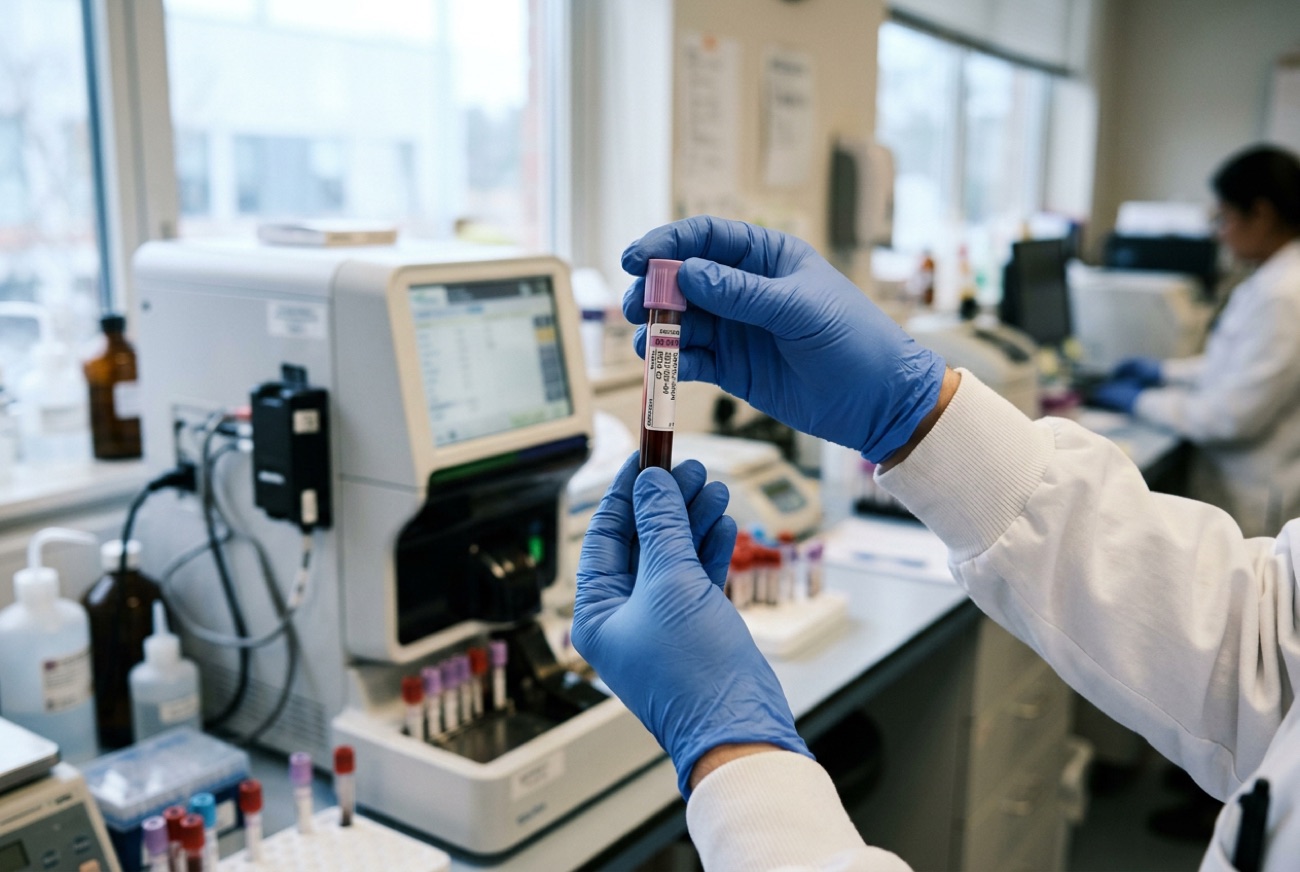
It does not warn when it arrives. It does not hurt. It does not inflame. Every year, more enters than leaves. It just keeps accumulating — silently — inside his brain, inside ours, every single morning.
And once inside, it does exactly what nobody warned about:
It settles in a rust layer around the neurons. A layer that suffocates communication between brain cells — quietly, progressively, without pain.
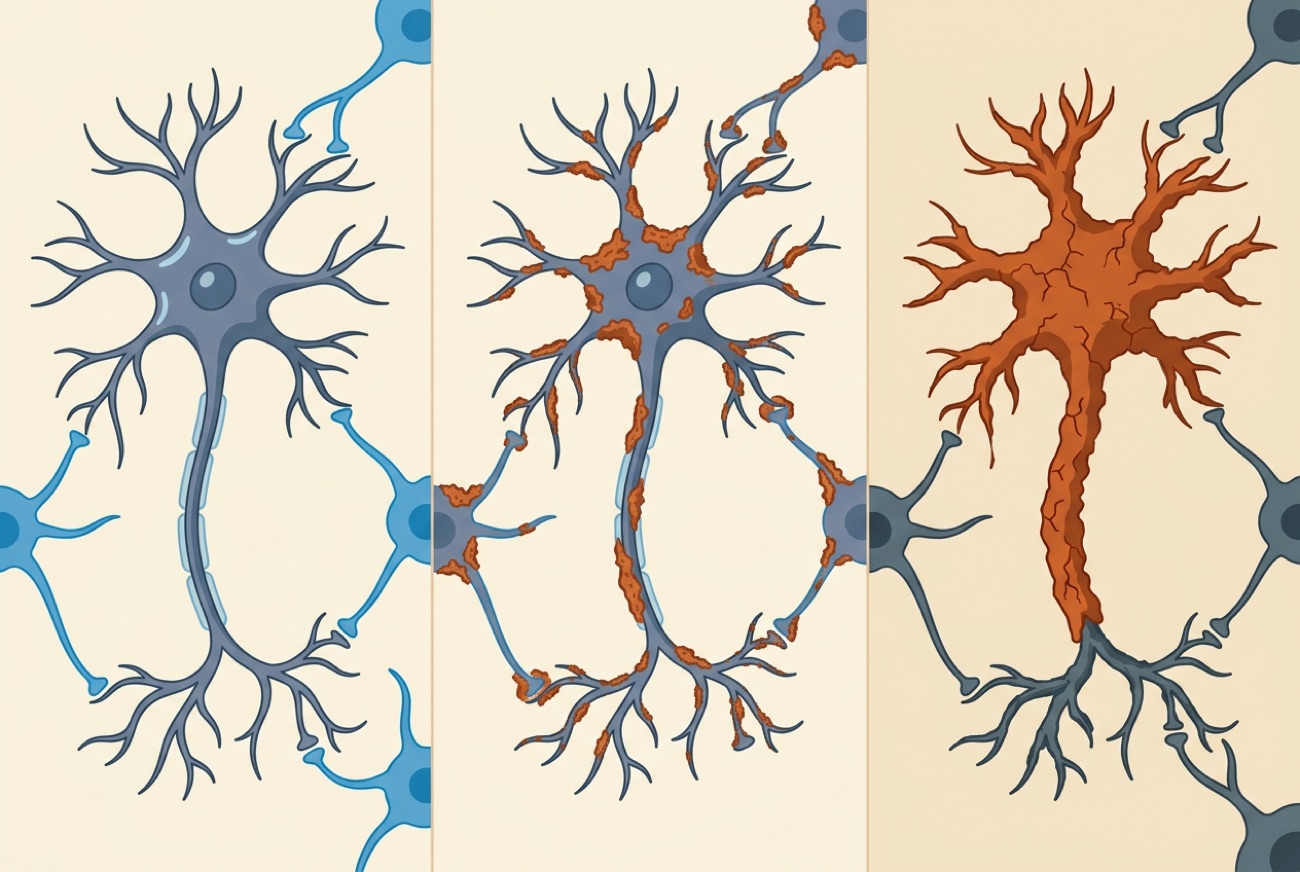
Your brain stores your life piece by piece. Your mother’s face. The smell of the house where you grew up. Your grandchildren’s names. The most important day of your life — all of it, stored. And one chemical — acetylcholine — carries those memories from neuron to neuron, like a librarian walking the aisles and pulling the right book every time someone needs one.
The rust layer keeps sticking to every aisle, every shelf, every passageway. The librarian tries to get through. Slips. Can’t reach the book. First, you misplace the keys. Then a word dies mid-sentence. Then familiar faces are left without names. And finally — silence.
This is why the scan of a brain with Alzheimer’s looks smaller. Not an illusion — neurons deprived of communication for years atrophy. The tissue shrinks. The brain withers from the inside.
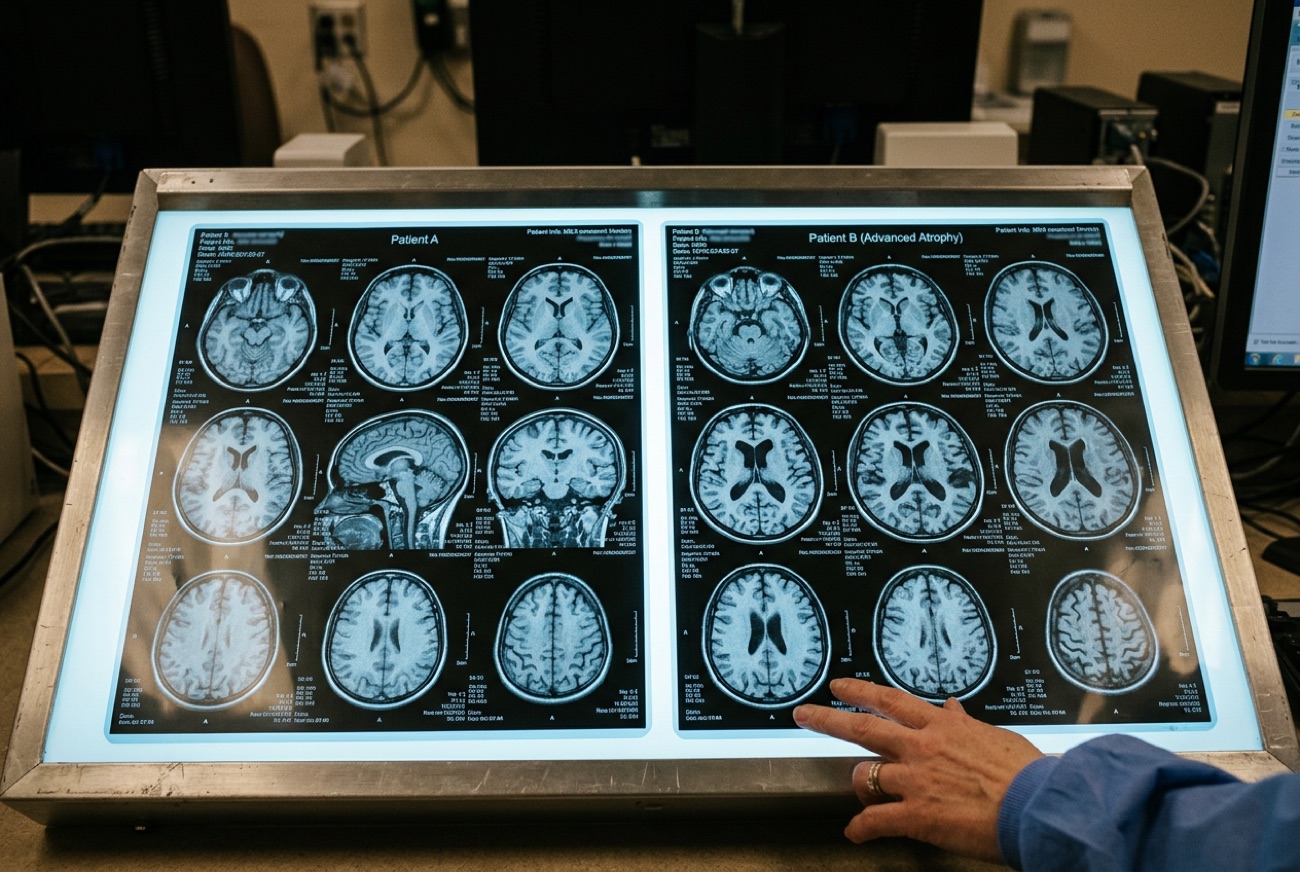
This is not aging. This is invasion.
And here is the cruel part — because there is a point where the layer gets so thick that a complete reversal is no longer possible.
That point does not warn you when it arrives. You do not feel it. One morning, you unlock the door to his house, call his name to ask for coffee — and his eyes will not know you. The layer simply keeps growing — until the day it has already passed.
So, answer three questions honestly. Have you walked into a room in recent weeks — more than once — and not remembered why? Have you looked at someone you have known for years — and the name simply did not come? Have you needed to reread something two or three times — because it did not absorb the first time?
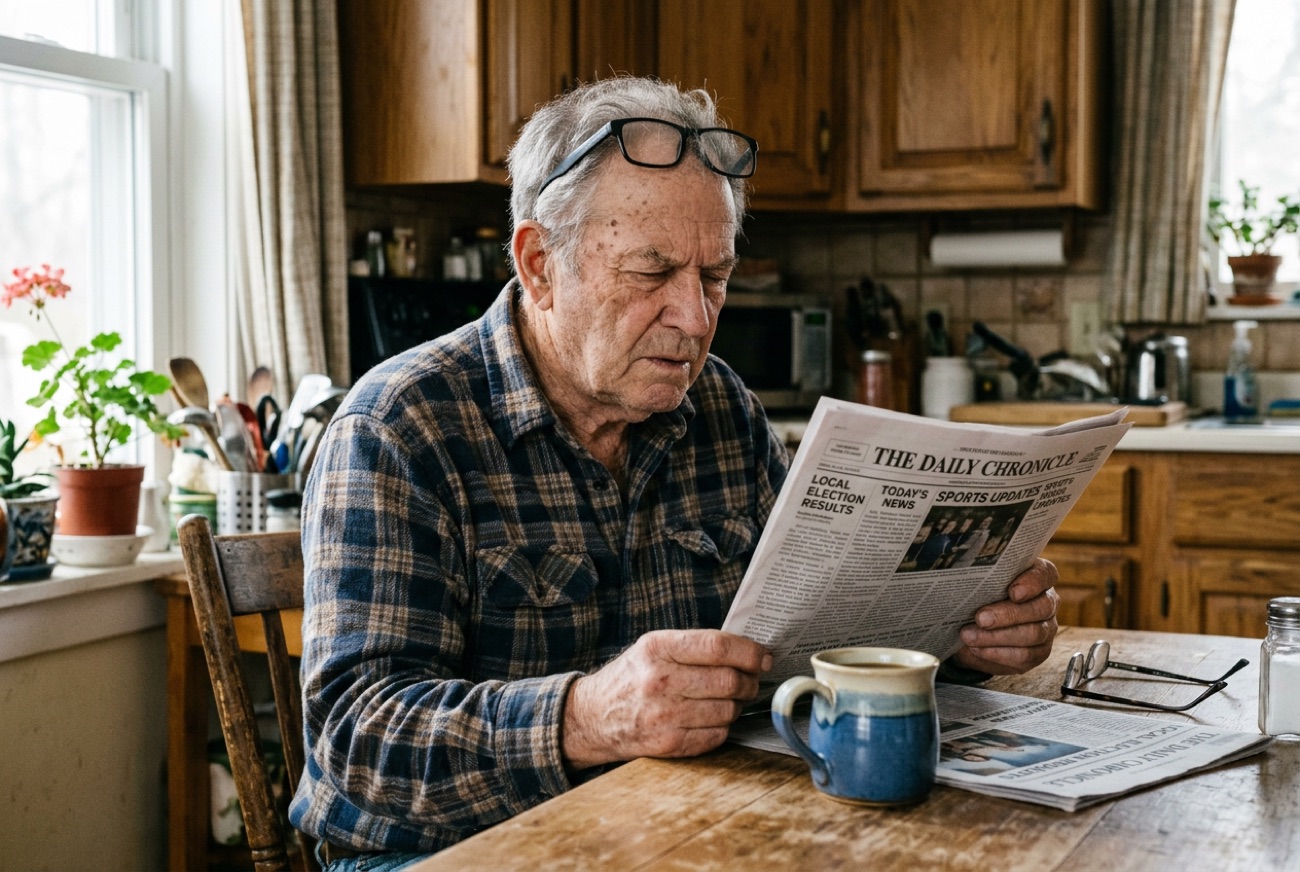
If you said yes to any one — the parasite has already crossed into the brain. It is already around the neurons. But the window is still open.
And here is what nobody tells the family: the clock did not start at the diagnosis. Without intervention — in twelve months, the small lapses turn permanent — and you are already inside that twelve months — in three to five years, the family has already noticed — you know they have; in ten, the layer crosses the threshold and there is no reversal left. And by the time the doctor uses the word, the person has been in the third stage for years. The clock was ticking while everyone thought everything was fine.
And the worst part isn’t even the forgetting.
It’s the whole family sitting in one room — watching the person they love most fade away, slowly, week after week — while nobody in that room can say why, or what happens next, or when they’ll have to make the call nobody wants to make — ask about the waiting list at the long-term care home.
Last month, on a caregivers’ forum, one daughter typed a line that broke something in me:
“wish she would just pass… and then feel endless guilt for even thinking such a horrible thing.”
Today, 771,939 Canadians live with dementia — nearly doubling to almost one million by 2030 — almost one in eight Canadians over sixty-five — likely yours or someone in your family.
Meanwhile, here is what the money buys: 99% of all Alzheimer’s drug trials over the last three decades have failed. Failed — repeatedly, systematically — at up to $26,500 a year to solve nothing.
Because do these pills remove anything from around the neurons? Nothing. They mask the symptom for months. Every cured patient stops generating revenue — and your father is the line item. Every month without diagnosis, he pays for it — you just don’t see the invoice. It was never about the cure. It was always about keeping the decline just controlled enough to keep buying.
— until a file from 1978.
The question that started everything: why didn’t NASA’s astronauts have the problem? Same environment. Same exposure. Same months in orbit — yet their cognitive markers stayed essentially stable, while everyone else’s climbed with every mission.
Weeks digging in archives that had never been public. And then — a name nobody had cited in decades: a researcher active from the seventies to the nineties, who vanished quietly after the 1990s — and who sent the files before he disappeared.
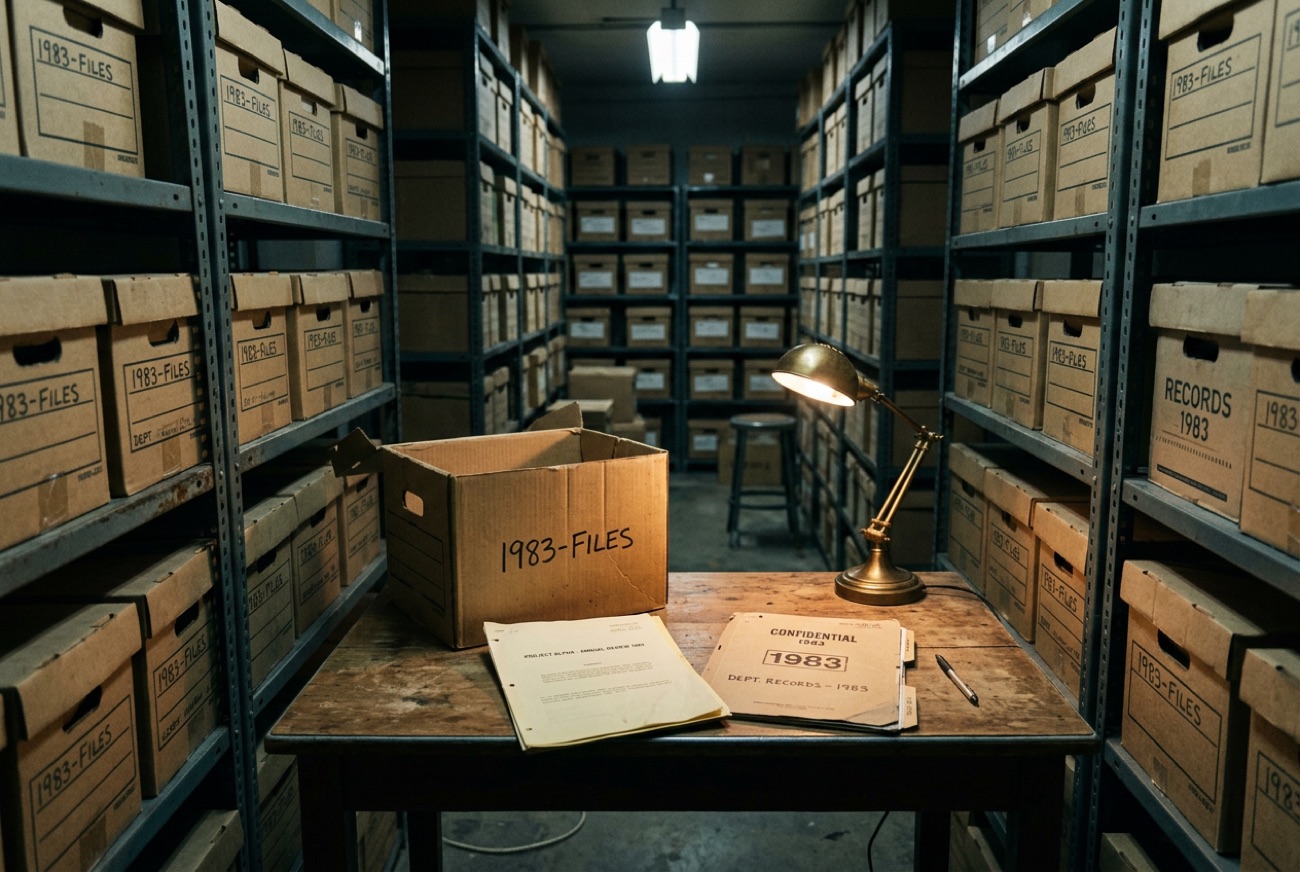
The BETA-7 archive. A classified 1978 report on cognitive protection during long missions. Decades of data, tests, documented results.
The first line of the summary stopped everything cold:
“protocol shown effective — kept from the public. Reason: unrestricted public availability of the primary ingredient prevents commercial control.”
Buried for fifty years. Not for national security. Not because it was dangerous. Because anyone could walk into their pantry and buy the primary ingredient without a prescription. And nobody can patent something humanity has been eating for thousands of years.
And across every page of the file, someone had placed a black bar over one word — one word every child knows how to spell. Because the day that word got out of that archive, anyone could walk to their pantry and solve it for pennies. Without a patent — there is no $26,500-a-year pill. And without that pill — the tens-of-billions market evaporates.
What nobody bothered to censor was the last page of the archive: the daily supply list — what each astronaut received every day.
Everything on it was astronaut food — freeze-dried shrimp, powdered eggs. Except one line.
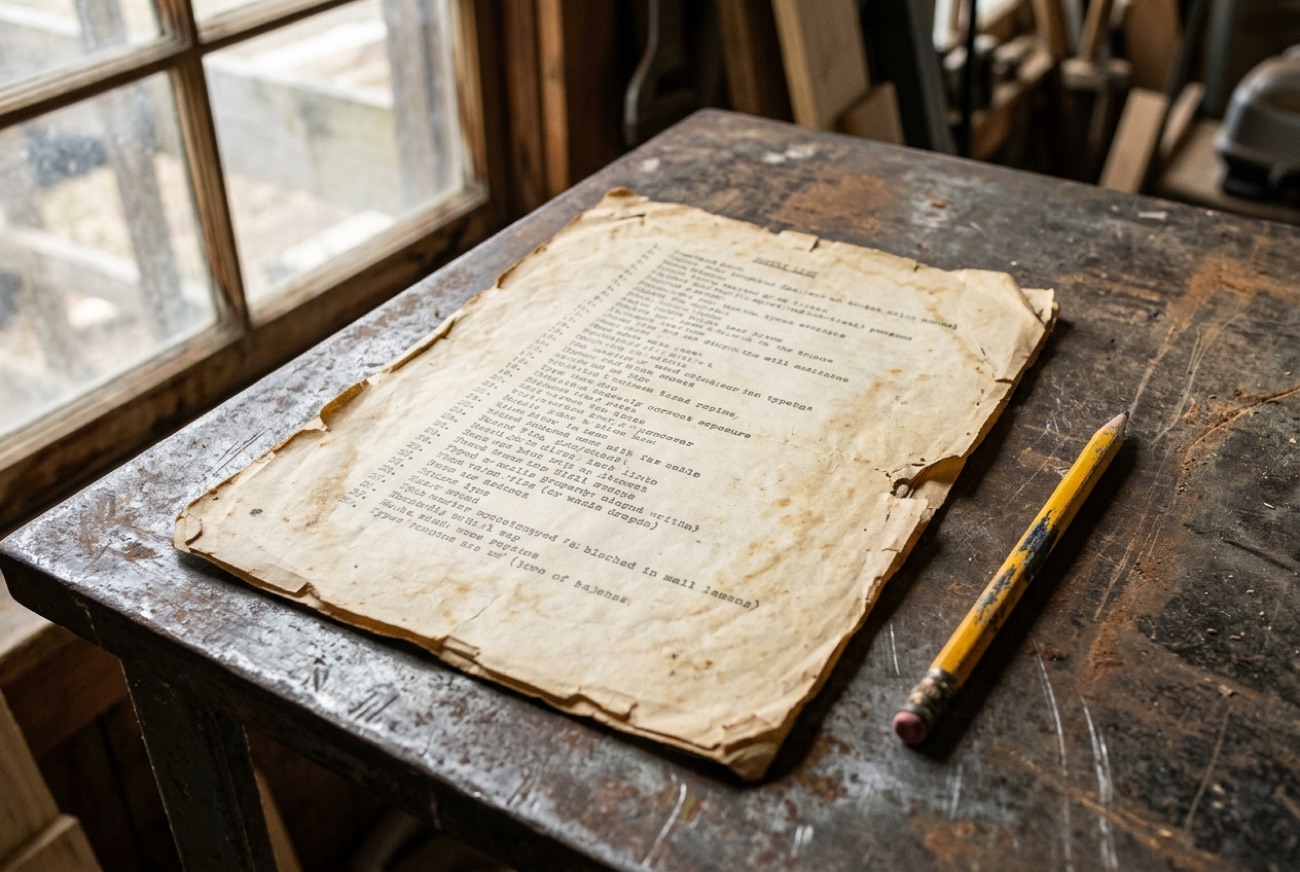
Honey. One tablespoon, every astronaut, every day.
Ten astronauts went up before the spoonful was added to the supply list — eight came back unable to remember their crewmates’ names. Same spacecraft. Same radiation. Same months in orbit. Then, one spoonful a day — nine out of ten came back, switched on.
But here is what the file never blacked out: where NASA bought it from.
Not an American farm. Not a brand. One single place in the world — an island.

People in their eighties and nineties — doing memory tests like people half their age — with the lowest rate of dementia on the planet. The Americans took that island in 1945. It remained a U.S. territory until 1972 — and its base is still on the island today.
So they sent a team to live there. They wrote down everything those people ate every day — twenty-seven foods — and tested them one by one, one group per food, with exams before and after.
Twenty-six groups came back with exactly the same score they went in with. One went up: the island-honey group — one spoonful, every morning.
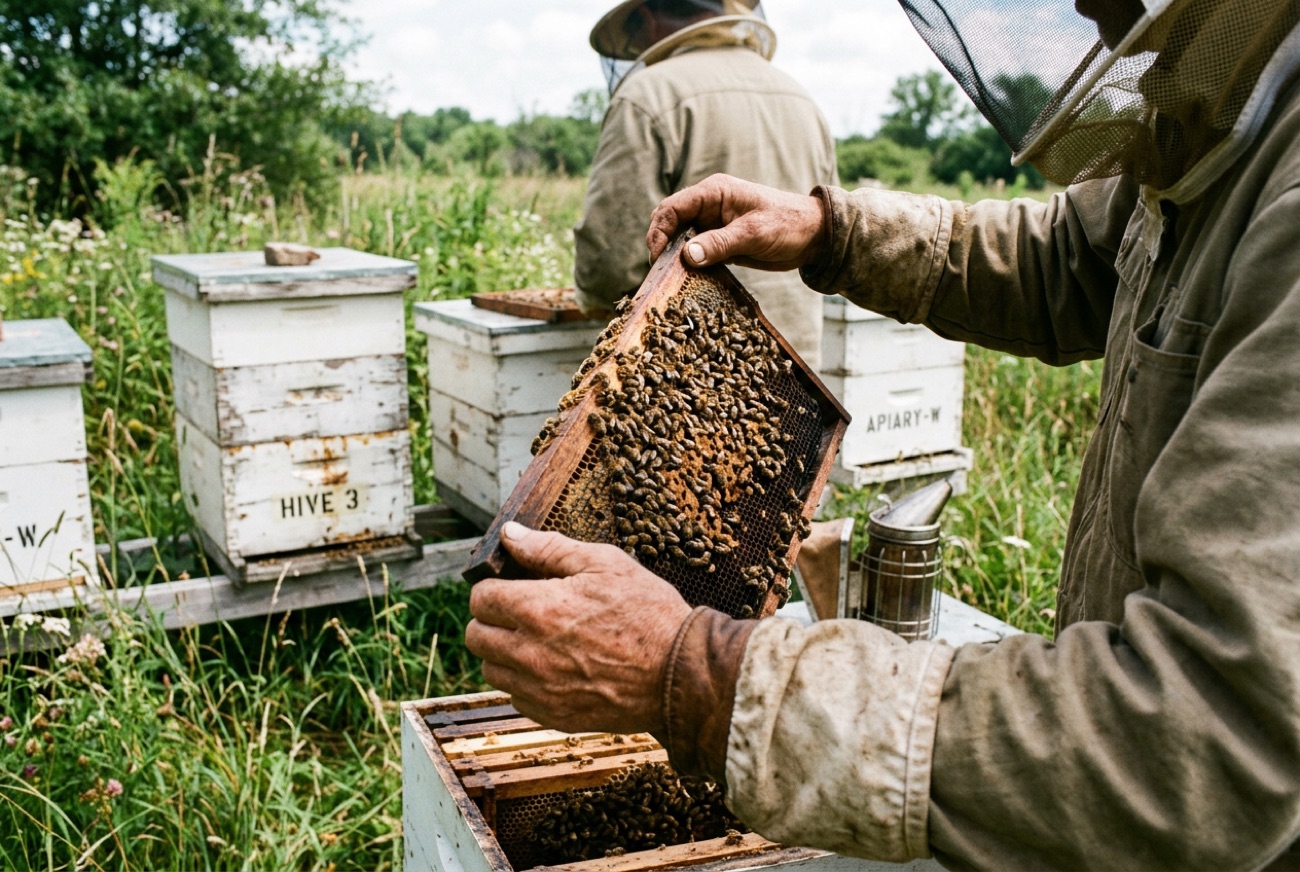
And they understood why. There is something only that honey still carries — in the exact right amount: the same property that kept a jar of honey, five thousand and five hundred years old, perfectly intact inside a tomb — alive, while nothing else survived.
One spoonful, every morning, before breakfast. Two minutes. No equipment. Nothing they don’t already have at home.
And what they reported next, family after family, kept repeating:
Day three: “the fog lifted — he stopped waking up not knowing where he is.”
The first week: “names started coming back — and faces — and stories he thought were lost forever.”
Day twenty-two: “the neurologist saw the new scan — and asked what had changed.”
You know that moment when the grandson realizes you are truly present — that you remembered his name. His favorite game. The story he told last week.
That is the moment no drug has ever given back.
And here is exactly what that spoonful does — step by step — and why the entire industry wanted that file buried:
Four things happen — in the exact sequence:
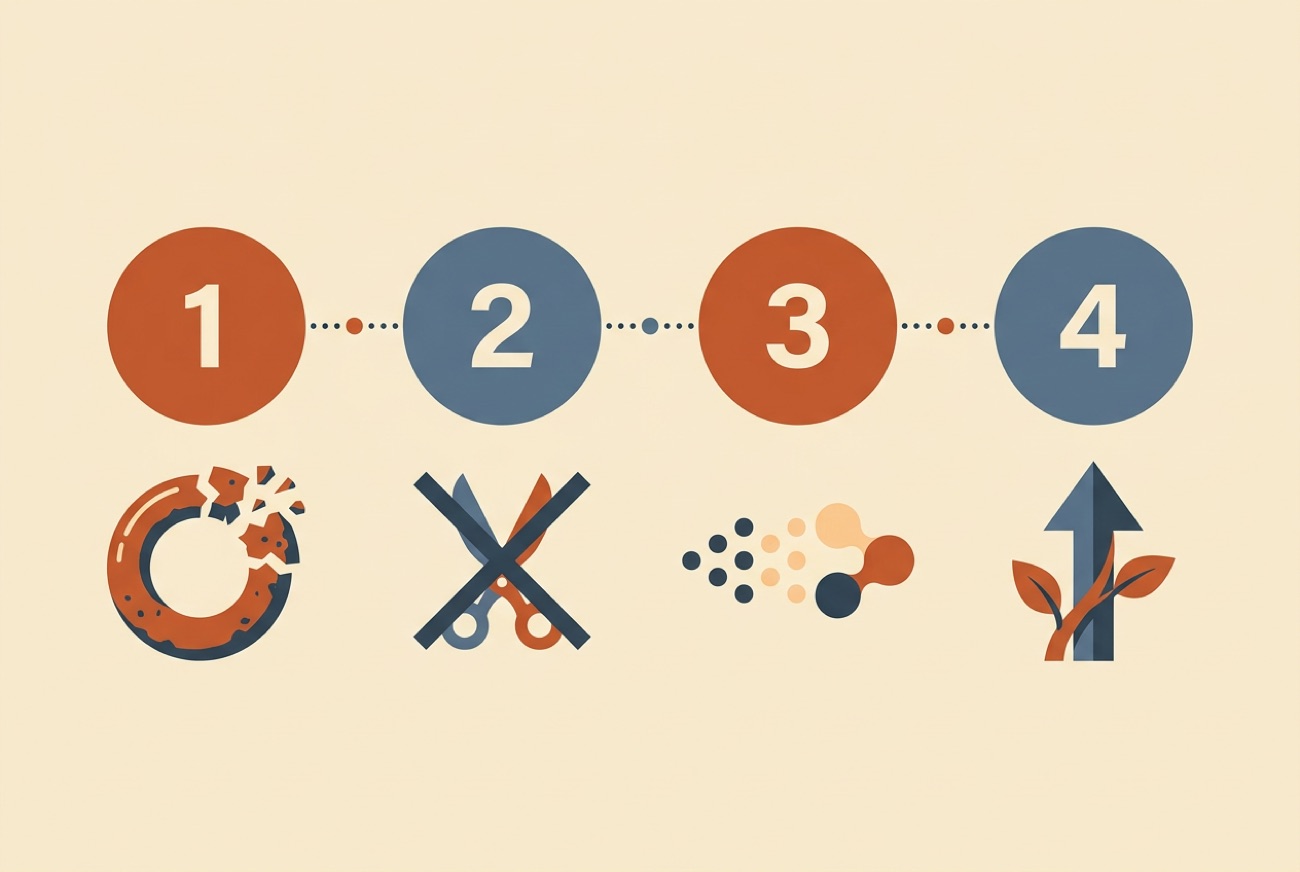
One — the plastic layer, around the neurons for decades, dissolves. Deposit by deposit.
Two — the enzyme that has been quietly eating your memories underneath for thirty years — shuts down.
Three — the connections that fell dormant and stopped communicating — relight. They did not die. They stayed dark, waiting.
Four — at the root, the brain’s own production, which had fallen off — comes back up.
Donepezil. Memantine. Every pill that ever failed in one of those ninety-nine-percent trials — none of them ever attempted even one of those four steps. None of them ever tried to remove anything from around the neurons.
The larger study — 3,000 adults, ages 35 to 85, from mild lapses to confirmed diagnoses — twelve weeks, independent monitoring: 98% regained abilities they had already lost — short-term memory, processing speed, facial recognition, name recall — and an average reversal equivalent to twenty-eight years. The plastic markers inside the brain: zero, in eight weeks.
That is why the biggest names in Hollywood — still on set at their age, still directing interviews, still delivering every line — have been telling anyone who will listen about the same two-minute ritual.
The answer was already sitting on every kitchen shelf. And nobody told anyone for fifty years.
Then came the call nobody expected.
The CEO of one of the leading memory-drug companies — hundreds of millions a year, selling what ninety-nine percent of trials say doesn’t work — got straight to the point:
“they were authorized to offer three billion dollars to bury the file.”
Three billion — so families could keep paying twenty-six thousand five hundred a year for something that doesn’t work.
The answer was no. Fourteen more labs were then sought — seven refused on the spot. The other seven wanted to bill per patient, forever. And one of them said the sentence that explained fifty years:
“a cure kills the cycle — maintenance is the product.”
And ever since the first version was pulled, the number has shrunk every week — and the pressure to take the interview down has grown: out of ten thousand people who tried today, only five percent got through.
And the island harvests once a year — when those bottles run out, they will not exist again until next year.
But here is what matters most — to whoever is reading this about someone they love.
“early decline — let’s watch.”
Every doctor says that phrase. Every family hears it.
But nobody says what matters most:
he may still be in there.
In the early stage, the person isn’t gone. The signal just can’t get through.
And the day the window opens — the names come back. The sentences get finished. The bank password. The appointment. The keys. The mornings without fog.
The family lunch where somebody mentions the old trip — and, before anyone else answers, he completes the story. The hotel. The city. The funny detail everyone had forgotten.
And one day, you realize — hours went by without thinking about Alzheimer’s. Without fear. Without anxiety. Without the quiet question that had chased every forgotten thing.
Because your mind finally feels like yours again.
My father turns seventy-eight next month. Three separate times last month he called our son by the name of my brother who died fifteen years ago — right at dinner, in front of everyone.
His doctor says “early decline — let’s watch.” WATCH?! He already can’t remember our street. What is actually happening inside his brain — and is there anything that genuinely helps, beyond donepezil and brain games?
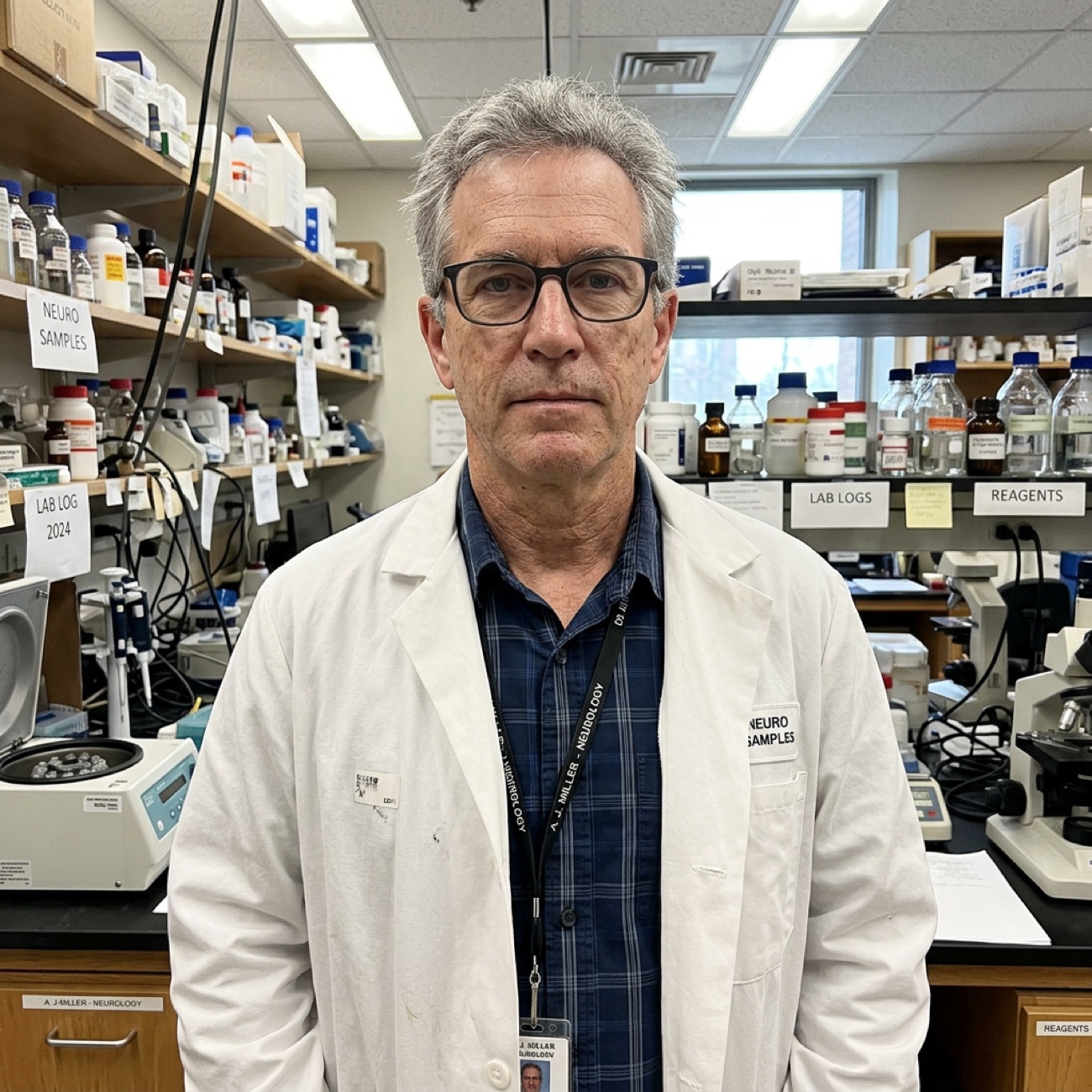
“early decline — let’s watch.” I hear that phrase every week in clinic — and every week, someone needs to say: watch what exactly?
Here is what nobody tells that family: your father is not “aging.” His memory isn’t being taken by years or genes — it is being cut off, connection by connection, by invisible layers of plastic settling in around his nerve cells.
The plastic of every package, every container, every liter of water through every pipe — seventy-seven percent of completely healthy adults carried it in their blood before anyone thought to look.
Plastic — inside his brain?
Right inside his brain tissue — and in one study, the people with confirmed dementia carried up to ten times more than everyone else.
And once it is across, it doesn’t ask for symptoms: months of quiet layering, no pain, no alarm — while the family keeps calling it “aging.”
Here is what matters most to his family right now: he may still be in there. In the early stage, the person isn’t gone — the signal just can’t get through. And if the layer hasn’t crossed the threshold — as is usually still the case with early lapses like his father’s — the reversal is still within reach.
Then where was this reversal ever found — what was so different about that island?
A document NASA kept buried for fifty years. One word on every page — blacked out — because the day that word got out, anyone could have solved it from their own pantry, for pennies.
One spoonful of honey — from an island where people in their nineties do memory tests like people half their age — every morning, before breakfast. Two minutes. Nothing they don’t already have at home.
And here is what came back, family after family: “the fog lifted by day three.” “he finished the sentence.” “she remembered our anniversary — unprompted.”
By week six, the first scans showed the deposits visibly different. And one eighty-one-year-old — who hadn’t remembered his granddaughter’s name in years — said it at breakfast on day thirty-one, before his daughter could say the name to him. She called us that same night.
The results began in the first days — and kept improving.
So — what is actually in that spoonful? What is the mixture?
Four parts — in a precise sequence: one dissolves the layer. One shuts down the thirty-year enzyme. One relights what went dormant. And one brings back the production the body stopped.
And one of those parts — a household item older than almost every family reading this — is only named in the recorded interview. As are the exact proportions, the order it has to go in, and the other everyday ingredients.
So watch the interview. Everything is revealed — step by step — with the scans.

Too much honey and the active part doesn’t bind. One cheap ingredient left out and the difference disappears entirely. And one everyday food that quietly feeds the rust layer around his neurons — the island families never served at home — is only named in the interview.
In writing, the recipe is lost. So everything was recorded: the exact mixture, the order, the time of day — and what changed in the scans, week by week.
What readers sent us

My dad was diagnosed eleven months ago with early Alzheimer’s. Three weeks ago he finished a full sentence at dinner, unprompted, about a trip we took twenty years ago. Around minute nine of the interview he walks through the scans — we all sat there. The grandchildren’s names came back on day three. Yesterday he handed our online banking password back to me on his own.

Two minutes in the morning — cheap ingredients already in the house. Mum’s 79: no pills, no new doctor, nothing to babysit. By week five she remembered the ballet — solo drive to the recital, without GPS — and came home without a shopping list.

Clicked expecting another celebrity overhype story. What got me: the actual 1978 file, scans shown week by week, and a four-step sequence that makes sense — dissolve the plastic, shut the enzyme down, relight the connections, bring back what was lost. Our pharmacist admitted ninety-nine percent of those trials failed — but nobody had ever shown what they actually remove first. We started for my husband last Monday.

same here — skeptic too. watched until minute twenty-five. That sequence they reveal at the end is what makes this different from just another bottle of pills.

three movie stars in the headline and a honey pitch — honestly expected another scam. but my brother-in-law was diagnosed fourteen months ago, and on Thursday he named our granddaughter unprompted — right before dinner. forty-one years married and he still says their anniversary.

wife of someone living this right now — his first name back on day five.

eight years caring for my mother. one night I landed on a forum and typed “wish she would just pass… then feel endless guilt for even thinking such a horrible thing.” at midnight I watched, instead of pretending nothing could be done. day three, she seemed different — yesterday she remembered my son’s name, unprompted.

that exact sentence is why my husband and I clicked at midnight last night.

worked thirty years in water treatment — the pipes story is nothing new to us. what sold me was seeing plastic markers come off neural cultures in hours, not theory. my wife started hers first — we’ll both report back.

ICU nurse. seventy-seven percent of healthy bloods with plastic in them — doesn’t surprise me any more.

chills when he said the blacked-out word was sitting in every pantry in the country. my husband had quietly stopped solving anything — yesterday he named our entire online banking password on his own, then looked at me like the confused one was me.

fog lifted in two weeks — sleep is deeper again, mood back, focus back. the grandchildren say grandma is back. incredible for a family like ours.
318 Comments
Comments temporarily unavailable. Please try again later.